Stache Travel
Making your vacation dreams come true!
1-414-828-1061
Making your vacation dreams come true!
1-414-828-1061

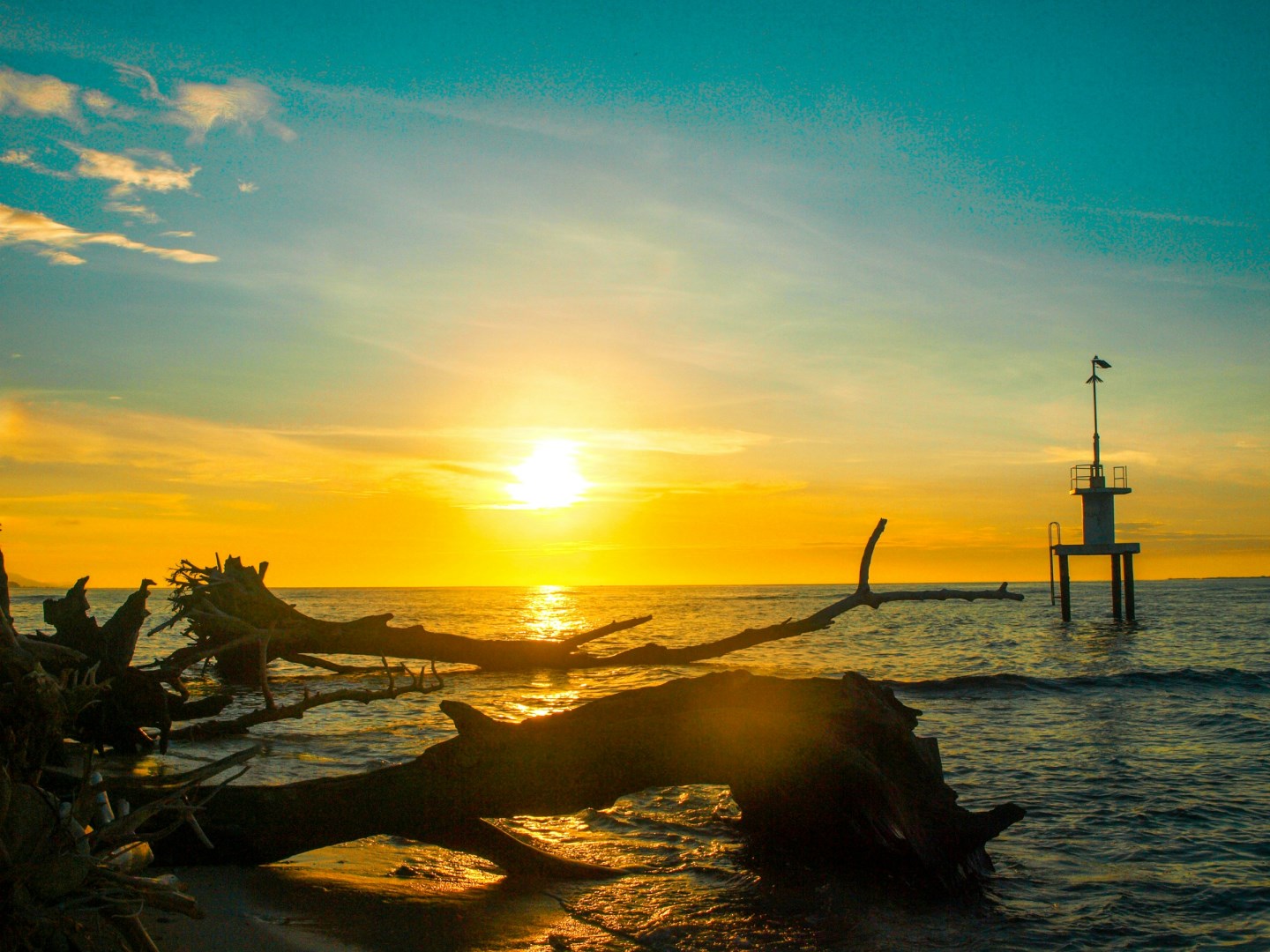

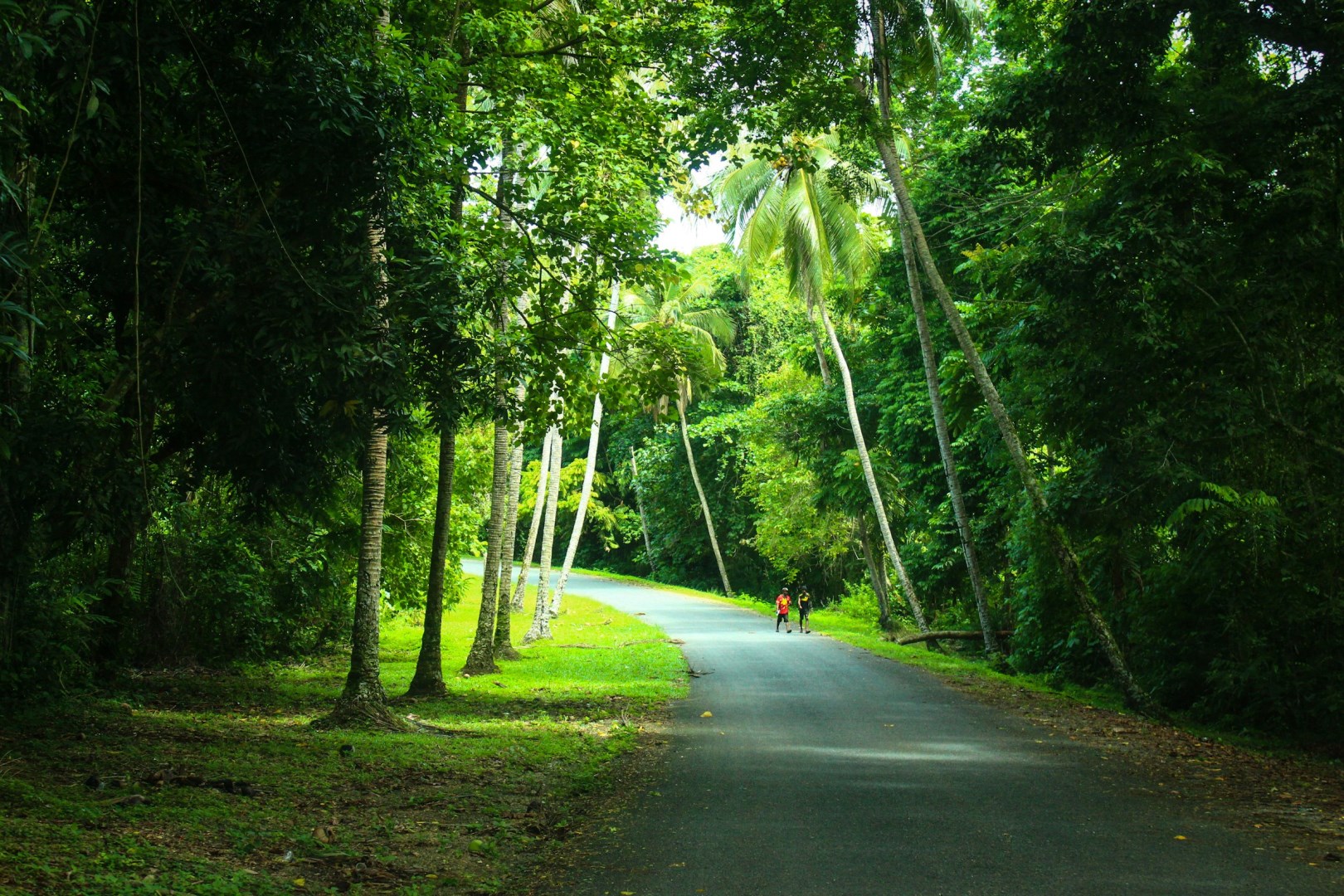
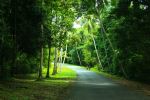
Wewak is the capital of East Sepik Province on the north coast of Papua New Guinea, facing the Bismarck Sea. The town stretches along a coastal plain backed by low forested hills, with beaches, bays, and offshore islands forming part of the surrounding landscape. Wewak serves as the province’s main administrative and commercial center and provides access to the Sepik River region farther inland. Its tropical setting includes coconut palms, rainforest, gardens, and coastal wetlands. The town is also an important base for exploring the diverse communities and waterways of East Sepik Province.
Wewak lies within a culturally diverse region where numerous languages, artistic traditions, and customary practices are maintained by local communities. East Sepik is particularly well known for its carved wooden objects, masks, drums, and ceremonial traditions associated with villages along the Sepik River and its tributaries. The spirit house, or haus tambaran, is an important feature of Sepik cultural life, serving as a place connected with ceremonies and community traditions. Christianity is widely practiced in the region, while customary beliefs and local social structures continue to influence village life and artistic expression.
The coastline around Wewak includes sandy beaches, sheltered bays, and forested headlands, while offshore islands such as Muschu and Kairiru lie within reach of the town. The surrounding waters contain coral reefs and tropical marine life suitable for snorkeling and diving. Cape Wom, west of Wewak, is particularly significant for its connection to the end of the Second World War in Papua New Guinea and contains a memorial site. Inland, the Sepik River basin offers a very different landscape of broad waterways, floodplains, forests, and villages accessible by boat, forming one of the region’s most distinctive natural environments.
Food in Wewak reflects the tropical crops and seafood available along the northern coast. Fish, coconut, banana, taro, cassava, sweet potato, and sago are important ingredients, while locally grown tropical fruit and vegetables are sold in markets. Sago is particularly significant in the Sepik region and can be prepared into flat cakes or other traditional foods. Fresh fish may be grilled or cooked with coconut and vegetables. A distinctive aspect of Wewak is its role as a meeting point between coastal and inland communities, giving the town access to foods, crafts, and cultural traditions from both the Bismarck Sea coast and the Sepik River basin.