Stache Travel
Making your vacation dreams come true!
1-414-828-1061
Making your vacation dreams come true!
1-414-828-1061





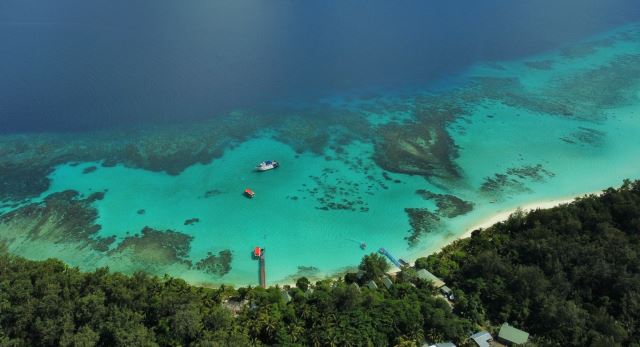
Alotau is the capital of Milne Bay Province in southeastern Papua New Guinea, located on the northern shore of Milne Bay. The town sits between forested hills and sheltered coastal waters, with small islands and bays extending across the surrounding seascape. Alotau serves as the province’s main administrative and commercial center, while nearby villages retain a largely rural character. The region is known for its tropical vegetation, coral reefs, and numerous islands, making the town an important gateway to the wider Milne Bay area and its scattered coastal communities.
Milne Bay has a rich cultural landscape shaped by many distinct island and mainland communities, each with their own languages, customs, and artistic traditions. Traditional canoe building, carving, weaving, dancing, and ceremonial exchange remain important elements of local identity. The province is particularly associated with the Kula exchange network, a system of ceremonial trade linking communities across the Massim islands. Alotau also has connections to the Second World War through the Battle of Milne Bay, and the remains and memorials around the region form part of the area’s historical heritage.
The coastline around Alotau combines mangrove areas, sandy beaches, coral reefs, and forested headlands. Nearby islands such as Samarai, Logea, and the Engineer Islands offer opportunities for boating, snorkeling, and diving, while the waters of Milne Bay contain extensive coral habitats and diverse marine life. The Milne Bay War Memorial commemorates the Allied forces who fought in the area, and the surrounding province contains numerous wartime sites. Alotau’s waterfront provides views across the bay, while local villages and markets offer a closer look at everyday life in the province.
Food in Alotau reflects Papua New Guinea’s coastal setting and the agricultural traditions of its communities. Fresh fish and other seafood are commonly eaten alongside root crops such as sweet potato, cassava, taro, and yam, as well as bananas, coconut, and leafy vegetables. Sago is another important traditional staple in parts of the region. Local markets provide fresh produce and seafood from surrounding communities. A distinctive feature of Milne Bay is the continued importance of traditional outrigger canoes, which remain practical vessels for fishing and travel between islands and also serve as visible symbols of the province’s maritime culture.