Stache Travel
Making your vacation dreams come true!
1-414-828-1061
Making your vacation dreams come true!
1-414-828-1061

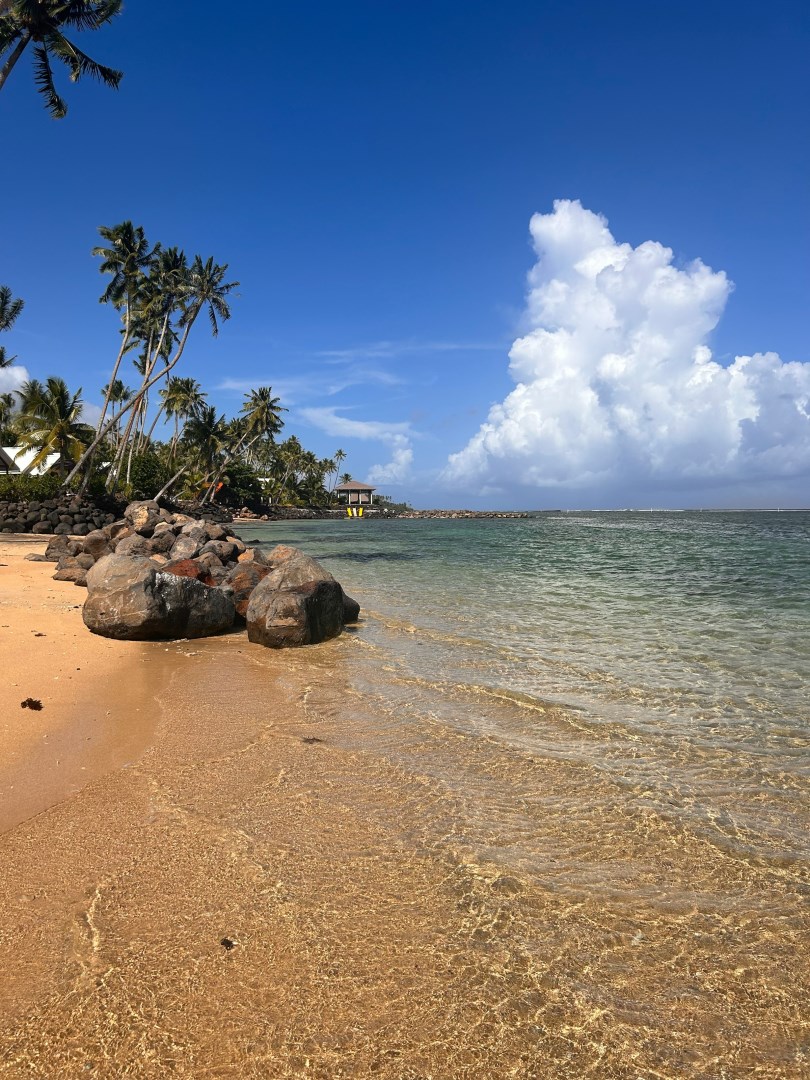
Upolu is the more populated of Samoa’s two main islands and is home to Apia, the country’s capital and principal urban center. The island stretches from volcanic mountains in the interior to a deeply indented coastline of bays, beaches, and coral reefs. Lush vegetation covers much of the landscape, with villages, plantations, and gardens occupying the lower slopes and coastal areas. Upolu is also the country’s main center for government, commerce, education, and transport. Despite its developed areas, much of the island retains a rural character, with villages organized around traditional communal spaces and family lands.
Samoan culture, known as fa'a Samoa, remains central to life on Upolu. Extended families, or aiga, form an important part of social organization, while village life is traditionally guided by customary leaders and communal responsibilities. The fono, a council of chiefs, plays a role in village decision-making, and the traditional meeting house, or fale, is a familiar feature of settlements. Ceremonial occasions often involve singing, dancing, traditional clothing, and the presentation of food. Upolu also has strong literary and historical associations through places connected with Robert Louis Stevenson, whose former home, Vailima, is now a museum.
Upolu offers a varied landscape ranging from volcanic peaks and rainforest to coastal cliffs, lagoons, and waterfalls. The To Sua Ocean Trench near Lotofaga is a large natural swimming pool reached by a steep staircase, while nearby Lalomanu Beach is known for its broad sandy shoreline. Piula Cave Pool provides another freshwater swimming site beneath the coast, and Papase'ea Sliding Rocks are natural rock formations used as swimming and sliding areas. The island’s interior contains waterfalls and forest reserves, while the Palolo Deep Marine Reserve near Apia protects a section of coral reef and shallow coastal habitat.
Upolu’s cuisine is based on seafood, tropical crops, and traditional Samoan cooking methods. Taro, breadfruit, banana, coconut, and sweet potato are common staples, while fish, octopus, and other seafood feature in coastal meals. Palusami combines young taro leaves with coconut cream and is traditionally baked, often in an umu, the Samoan earth oven. Oka, a raw fish dish prepared with coconut cream, lime, and vegetables, is another familiar food. The island’s markets also offer fresh produce and seafood. A distinctive part of Samoan life is the importance of the umu, which is used for family meals and communal occasions.